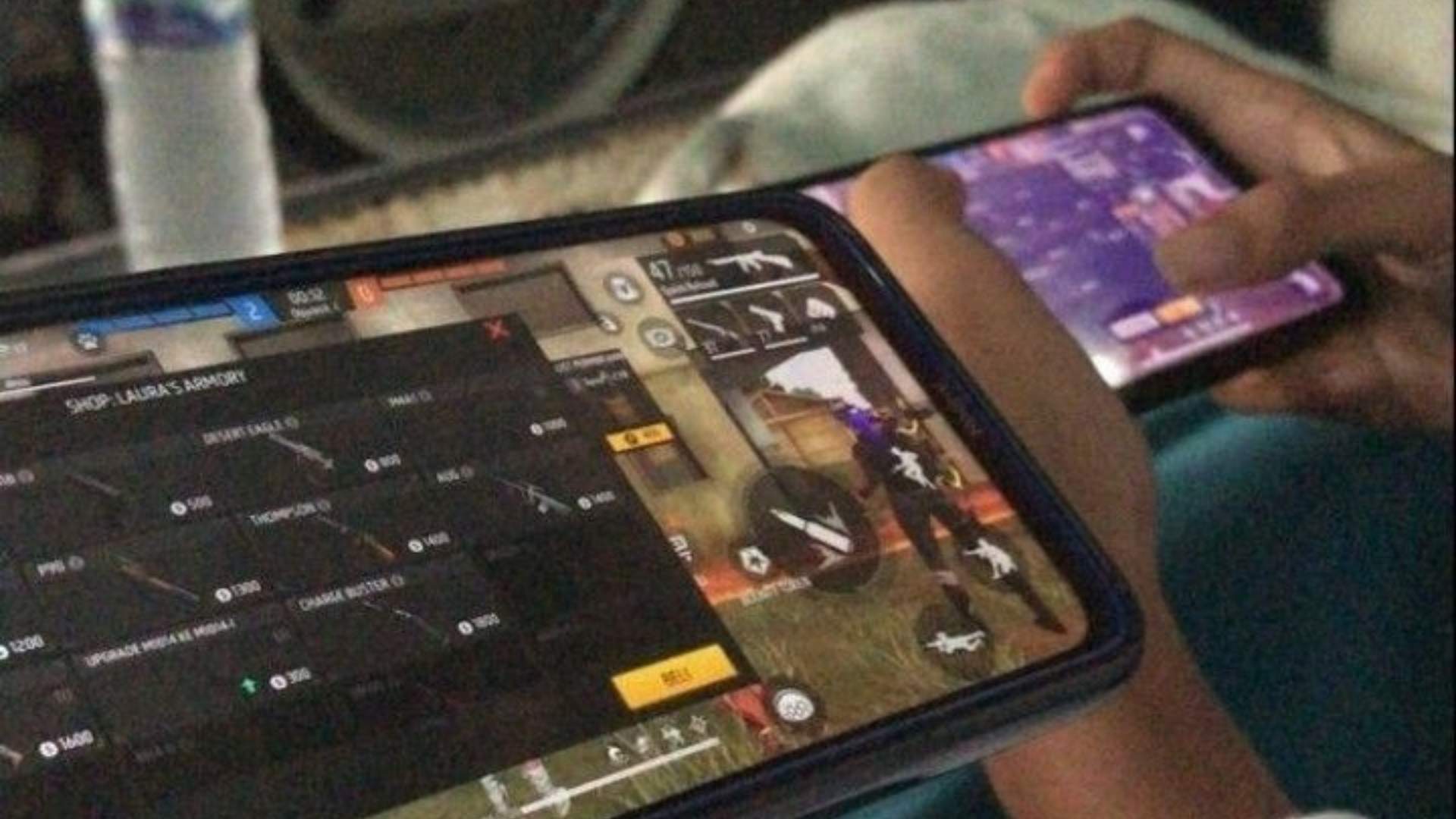
Succeeding in Free Fire requires a blend of rapid reflexes, calculated strategies, and spatial awareness on the battlefield. Players often discover that individual victories are less about raw luck and more about the knowledge gathered through repeated engagements. Every match offers a unique scenario that forces competitors to adapt, ensuring that every Free Fire round builds experience over time.
Analyzing the Early Drop Decisions
The choices made during the initial seconds of a match heavily influence your survival potential for the rest of the game. Selecting a landing zone requires a balance between securing high-tier loot and avoiding premature elimination by rival squads. Over time, players develop an intuitive understanding of popular drop zones and safe alternative routes.
Surviving the first few minutes allows individuals to establish a solid inventory of armor, weapons, and medical supplies. Experiencing different landing scenarios teaches you how to handle unexpected encounters when resources are scarce. This early phase is crucial for developing adaptability under pressure.
Mastering Map Rotations and Spatial Positioning
Navigating the shifting safe zones demands constant attention to the mini-map and environmental hazards. Moving too early can expose a squad to snipers, while moving too late risks elimination by the shrinking blue zone. Through continuous play, survivors learn the value of natural cover such as rocks, trees, and buildings.
Understanding the terrain helps in predicting where opposing players will bottleneck during late-game rotations. Developing strong positioning choices ensures that your team holds the tactical advantage when the combat arena tightens. Every rotation executed adds a layer of strategic competence to your overall gameplay style.
Enhancing Combat Reflexes and Mechanics
Direct firefights test a player's mechanical skill, weapon control, and utility deployment. Learning when to push an enemy and when to hold a defensive position is a skill refined only through active combat. The rapid deployment of Gloo Walls becomes second nature after facing numerous high-stakes situations.
Varying weapon combinations require distinct handling styles, from close-range shotgun duels to long-range sniper engagements. Experimenting with different loadouts helps individuals discover their strengths and weaknesses on the battlefield. Facing diverse opponents ultimately sharpens defensive instincts and offensive execution.
Cultivating a Resilient Team Dynamic
Squad matches elevate the importance of clear communication, designated roles, and mutual trust among teammates. Coordinating simultaneous pushes or providing covering fire requires shared understanding that builds across multiple sessions. A synchronized team can easily dismantle disorganized opponents, even when outgunned.
Learning from collective mistakes after a defeat is just as valuable as celebrating a successful Booyah. Evaluating poor callouts or failed revives helps the squad refine their approach for subsequent matches. Strong teamwork transforms individual skills into a cohesive competitive force.