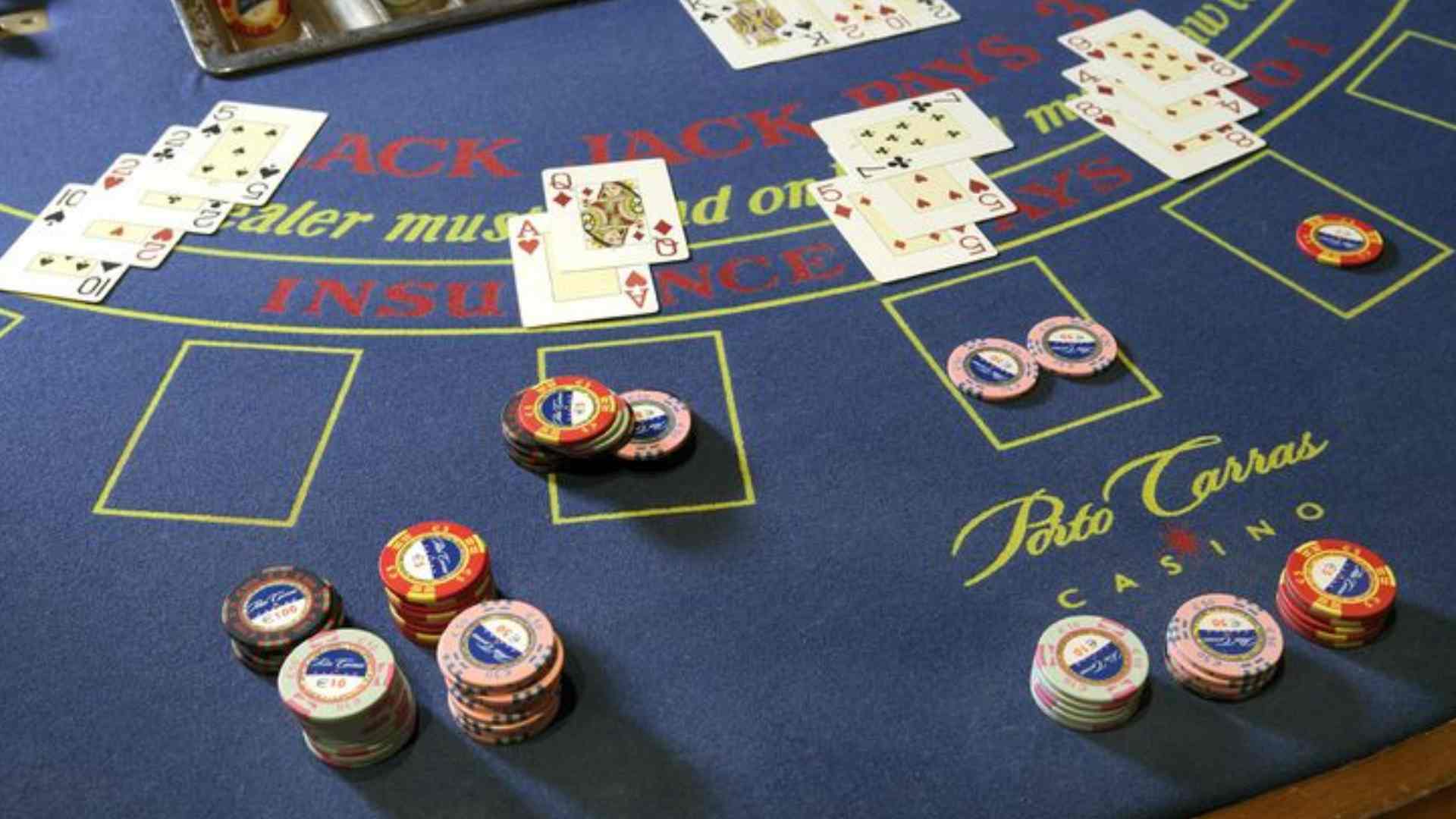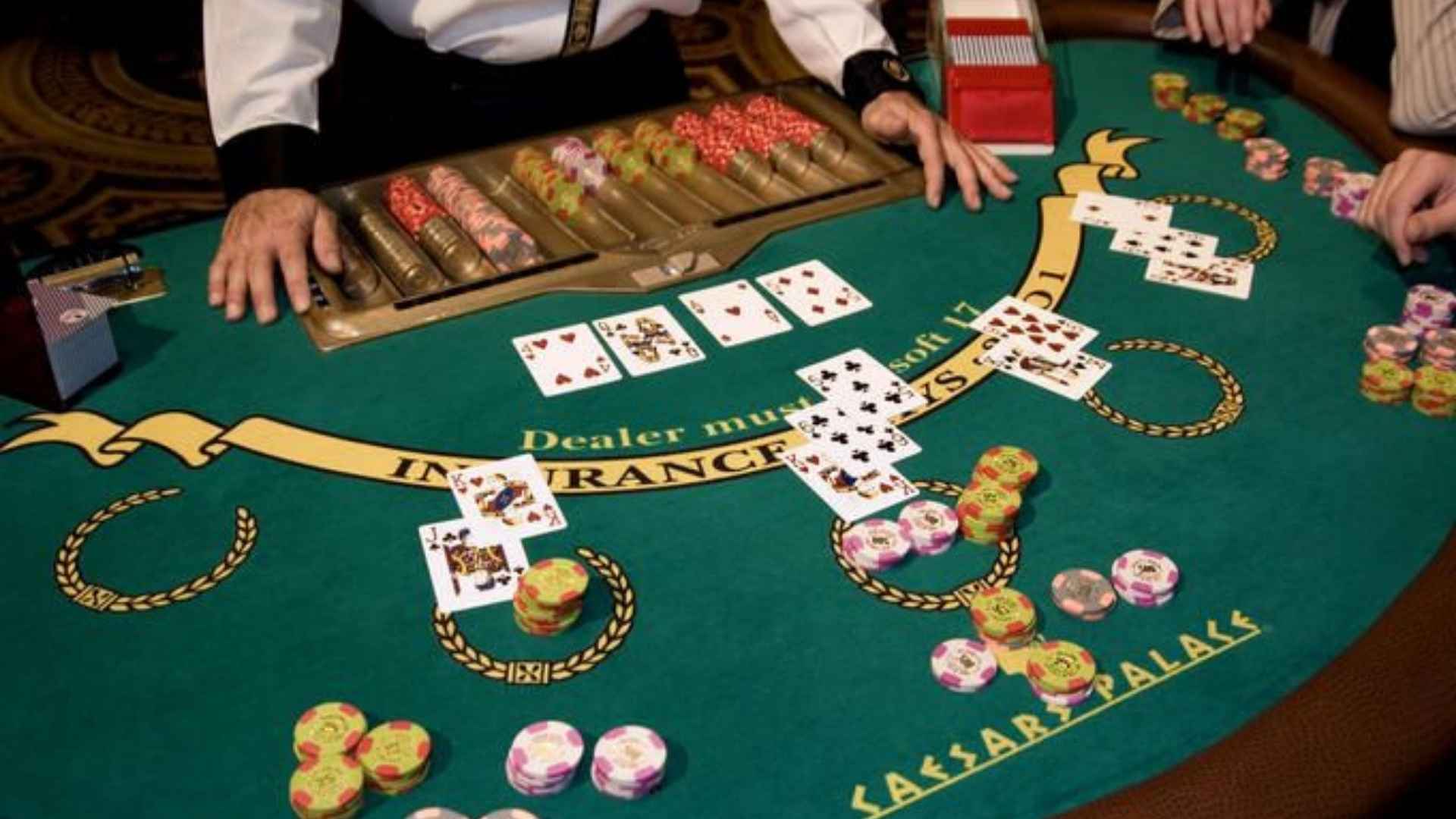
Uncertainty is a fundamental aspect of human life, yet most people struggle when faced with unpredictable outcomes. Poker provides a unique environment where incomplete information is the standard, forcing players to navigate ambiguity with confidence and structure. By observing how card players evaluate risk and manage changing circumstances, we can learn valuable strategies for dealing with real-world unpredictability.
Embracing Incomplete Information
In a standard card game, you never have access to all the variables affecting the current situation. Players must make crucial decisions based solely on probability, subtle observations, and partial data. Learning to take decisive action without total clarity helps individuals build comfort in everyday scenarios where future outcomes remain uncertain.
Instead of delaying choices until every detail is known, skilled players calculate likelihoods and proceed strategically. This practice trains the mind to make confident assessments under pressure rather than suffering from decision paralysis. Over time, navigating unknown factors becomes a manageable routine rather than a source of stress.
Separating Process From Outcome
One of the most important lessons from the card table is that correct decisions do not always guarantee immediate success. A player can calculate the odds perfectly and still lose a hand due to a rare statistical anomaly. True discipline lies in evaluating choices based on the logic applied rather than the short-term result.
When individuals stop judging their abilities by single outcomes, they develop long-term mental resilience. Exploring dynamic platforms such as m88 allows enthusiasts to practice strategic consistency while navigating shifting odds. Focusing on sound decision-making processes ultimately reduces regret and builds sustainable confidence.
Managing Risk with Probabilistic Thinking
Uncertainty feels overwhelming when situations are viewed in absolute terms of guaranteed success or failure. Strategic card games teach people to think in terms of percentages, ranges, and expected values. This mindset transforms frightening unknowns into measurable risks that can be balanced effectively.
By assessing potential downsides before committing resources, players protect themselves against total failure while staying open to opportunities. Applying this probabilistic view to personal and professional life creates a healthier relationship with risk. It enables individuals to pursue growth while maintaining safety nets for unexpected changes.
Developing Emotional Stability in Volatile Times
Frequent fluctuations in fortune are guaranteed whenever chance plays a role in decision-making. Experiencing sudden reversals helps individuals build emotional tolerance, preventing frustration from dictating future choices. Maintaining a calm composure during volatile moments preserves rational thinking when it is needed most.
Emotional balance allows leaders and decision-makers to adapt quickly when circumstances change unexpectedly. By accepting variance as a normal part of the process, people bounce back faster from temporary setbacks. Living comfortably with uncertainty is ultimately a skill that grows stronger with practice and self-discipline.