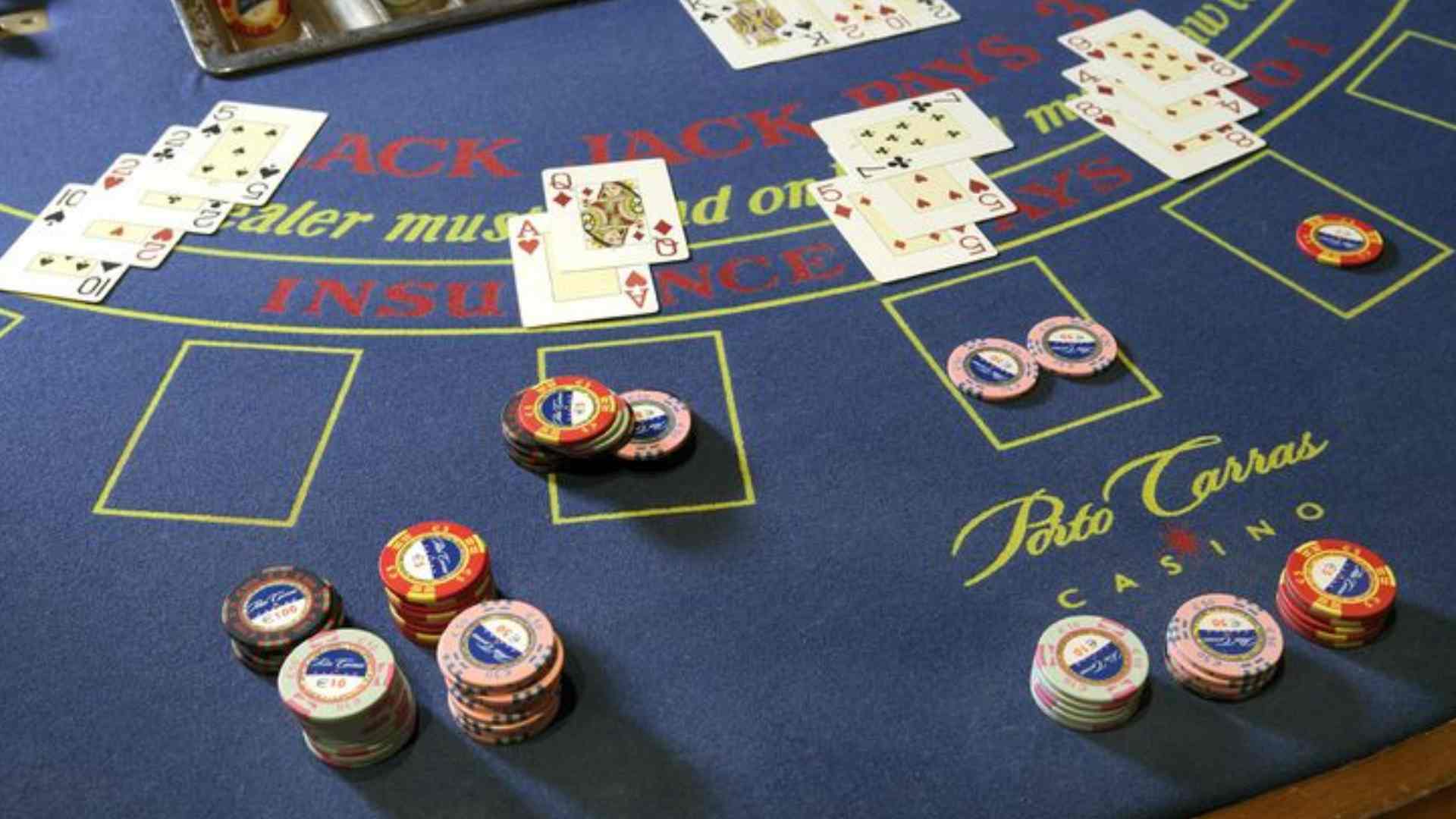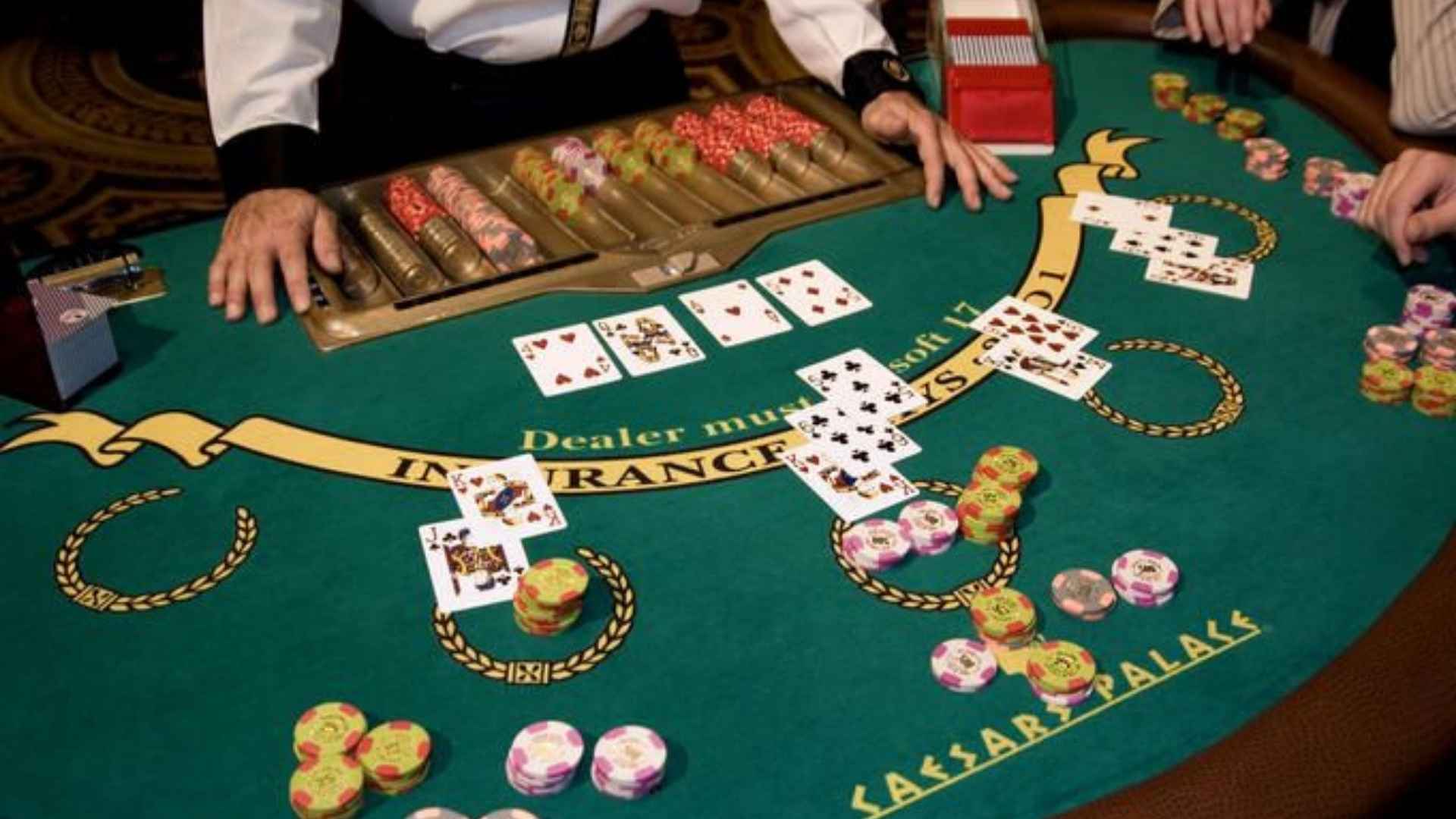
Tabletop gaming has transformed from a casual social activity into a sophisticated pursuit that demands critical thinking, patience, and analytical prowess. Unlike games of pure chance, strategic table games challenge players to outwit their opponents through careful observation and long-term planning. Understanding the core mechanics and psychological depth of these games can elevate a simple hobby into a deeply rewarding intellectual art form.
The Foundations of Tactical Decision Making
Every strategic game is built on a foundation of critical decision-making points that require players to weigh risk against reward. Success relies heavily on anticipating an opponent's next move while remaining flexible enough to adjust your own long-term plans. Developing this mental agility allows players to control the tempo of the game and capitalize on minor mistakes made by others.
In addition to cognitive skills, maintaining emotional control under pressure is a crucial component of mastering tabletop tactics. Experienced competitors know that letting frustration guide their actions often leads to critical tactical errors. By treating every turn as a calculated mathematical puzzle, players can keep their strategies objective and highly effective.
Balancing Probability and Risk Management
Mastering the art of strategy involves a deep understanding of probability and how to manage unpredictable outcomes. Whether you are dealing with a shuffled deck of cards or the roll of a dice, calculating your odds in real time is essential. This quantitative approach allows players to make informed decisions rather than relying on simple intuition or luck.
For those looking to apply their strategic skills to active competitive platforms, exploring M88 sports offers a unique look at how probability and sports analytics merge. Learning to assess risk in a dynamic environment can greatly improve your decision-making speed in traditional board games. Ultimately, the best players are those who can turn unfavorable odds into calculated victories.
The Role of Psychology and Mind Games
Beyond the physical pieces and rulebooks, the human element represents the most complex layer of any strategic table game. Reading your opponents' subtle physical cues and predicting their behavioral patterns can give you a massive competitive advantage. This psychological warfare often determines the winner in high-stakes situations where players are evenly matched in skill.
Bluffing and creating controlled distractions are common tactics used to force opponents into making hasty, ill-advised choices. However, these techniques must be used sparingly and with great precision to remain effective throughout a match. Mastering these interpersonal dynamics transforms a rigid system of rules into a lively, theatrical battle of minds.
Developing a Personal Playstyle for Success
Every player eventually develops a unique playstyle that reflects their natural personality, whether they prefer aggressive moves or defensive setups. Experimenting with different approaches helps you discover which strategies align best with your cognitive strengths. Recognizing your personal biases is the first step toward building a balanced and highly adaptable gameplay style.
Continuous learning and analyzing past matches are vital practices for anyone looking to truly excel in the hobby. Taking the time to review key moments in a game helps identify where your plans succeeded and where they fell apart. This dedication to self-improvement is what separates casual enthusiasts from true masters of the tabletop art.