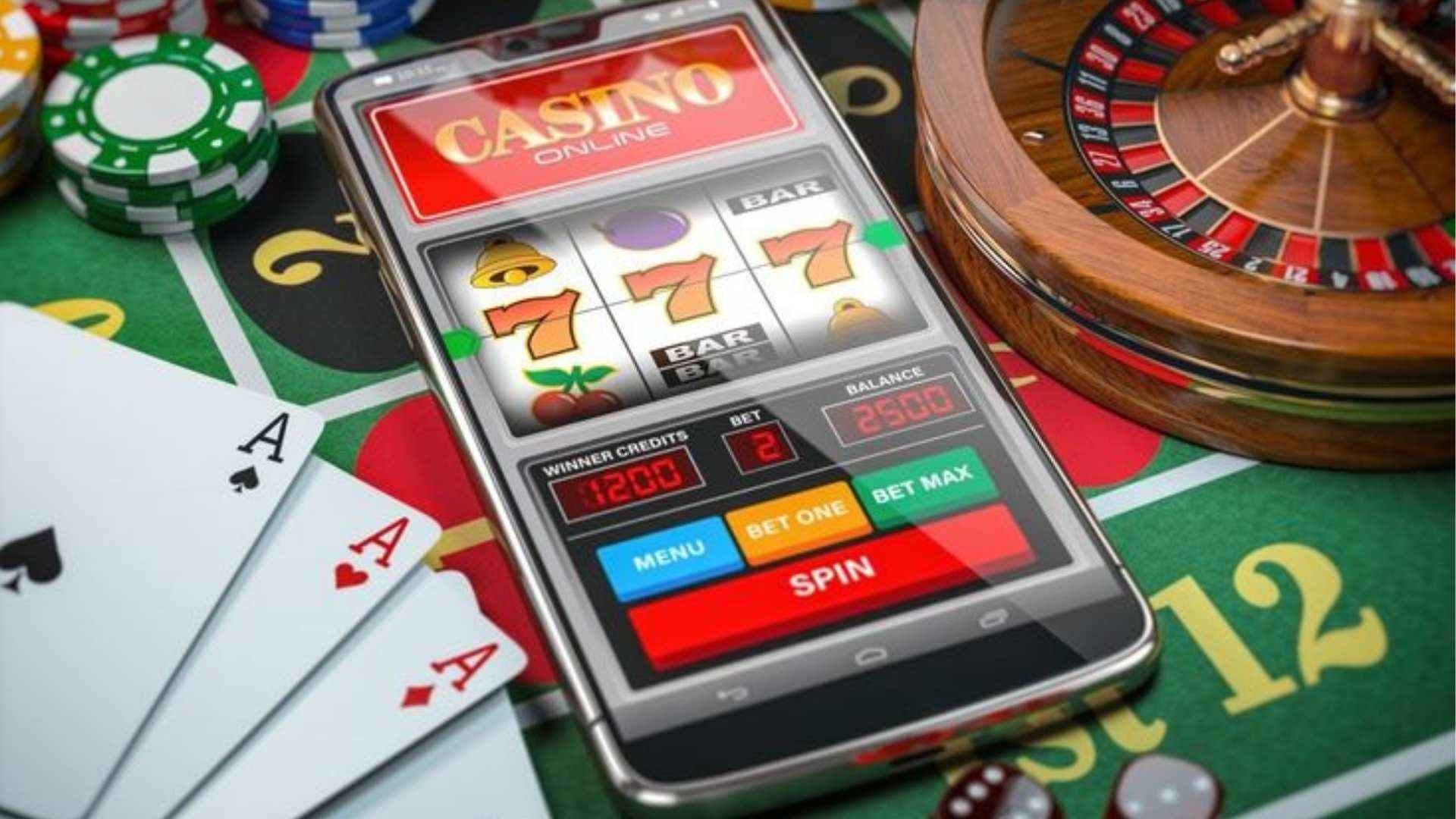
The world of puzzle design is experiencing a magnificent transformation as developers discover exciting number game concepts that push the boundaries of traditional entertainment. Modern creators are shifting away from predictable arithmetic drills to build immersive mental environments that blend strategic depth with approachable gameplay. This fresh wave of innovation provides players with unique ways to engage their logical minds while enjoying highly dynamic digital experiences.
The Fusion of Mechanics and Narrative
One of the most fascinating developments in modern design is the integration of deep storytelling with numerical progression systems. Instead of solving isolated equations, players now decode mysterious environmental ciphers to unlock new areas of an expansive virtual world. This contextual framework gives every calculation a sense of purpose and significantly heightens overall user engagement.
Furthermore, many interactive platforms adapt their mechanical complexity based on real-time decision-making and narrative outcomes. Exploring an intuitive M88 slot or similar algorithmic systems reveals how game designers establish structural boundaries while keeping tactical possibilities feeling incredibly fluid. Combining story arcs with quantitative puzzles transforms routine mental exercise into a memorable journey.
Adaptive Systems and Dynamic Difficulty
Advanced logical puzzles are increasingly utilizing machine learning to evaluate user competence and adjust challenges dynamically. If a particular sequence proves too complex, the application intelligently modifies subsequent patterns to maintain a balanced flow state without causing frustration. This responsive architecture ensures that both novice thinkers and experienced mathematicians find a suitable level of stimulation.
This personalized approach to cognitive entertainment prevents the common problem of early player burnout. By analyzing specific mistake patterns, modern systems can offer tailored hints that encourage independent discovery rather than immediate reliance on solutions. The final result is a welcoming learning curve that honors individual progress.
Social Puzzles and Cooperative Math
Another major trend involves shifting solitary number crunching into vibrant, collaborative community challenges. Multiplayer puzzle design encourages groups of participants to divide complex mathematical operations or logic grids among themselves to achieve a shared objective. This cooperative format emphasizes communication skills just as much as numerical precision.
Global leaderboard integrations and live digital events further enhance the collaborative environment by celebrating collective milestones. Sharing tactical insights within interactive gaming communities turns what used to be an isolating hobby into a shared celebration of logic. This collaborative shift introduces a powerful social element to mainstream cognitive gaming.
The Cognitive Advantage of Modern Layouts
Regularly engaging with fresh numerical concepts does more than provide casual distraction during daily routines. Scientific observations suggest that navigating variable structural logic actively exercises the brain's working memory and fluid intelligence. By forcing the mind to adapt to changing rules, these layouts keep neural pathways flexible and sharp.
Ultimately, discovering novel mathematical concepts opens up an innovative realm of balanced, mindful entertainment. The perfect combination of structural discipline, responsive difficulty, and narrative depth ensures that these games will continue to captivate intellectual audiences worldwide. Committing just a few minutes each day to these modern exercises yields substantial long-term cognitive rewards.